Designing Memory for AI Applications in Python
Friday, May 29
11:40 - 12:25
Modern AI applications often fail not because models are weak, but because memory is poorly designed. In this talk, I’ll share how to design reliable, time-aware memory layers in Python and what breaks when AI systems remember the wrong things.
Large Language Models don’t actually remember anything yet we keep building AI applications as if they do.
In real-world systems, memory is not a model feature but an architectural responsibility. As soon as we add user context, conversation history, or long-term state, our AI systems start behaving in unexpected ways: recalling outdated information, mixing contexts, or confidently acting on stale data.
In this talk, I’ll walk through how memory really works in modern AI applications, and why naive approaches-like endlessly growing prompts or unstructured context injection, eventually fail.
Using practical Python-based examples, we’ll explore different types of memory (short-term, long-term, and time-aware memory), common failure modes, and design patterns that keep AI behavior predictable and safe over time. I’ll also show how forgetting, summarization, and time-based decisions are just as important as remembering.
This talk is aimed at engineers building real AI products who want their systems to stay coherent, reliable, and maintainable.
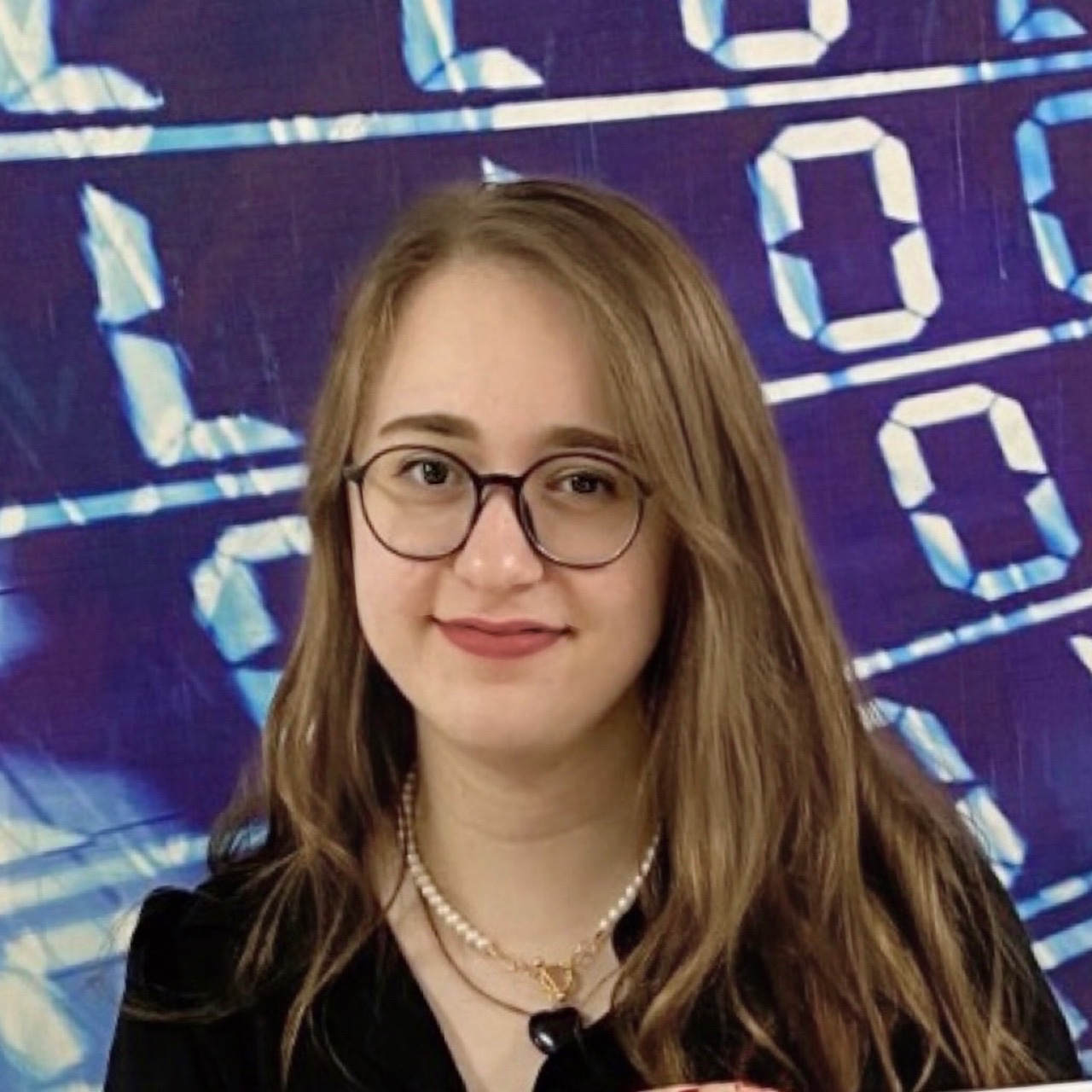
Özge Çinko
Hello world, I’m Özge Çinko! 👋 I’m an AI Engineer at ING, working on internal AI solutions and agent platforms. Before that, I worked as an AI Research Engineer at Huawei, focusing on recommendation systems for AppGallery. My journey into computer engineering started with a simple childhood dream: building my own corner of the web. Over time, that curiosity grew into a career in AI, from recommendation systems to LLMs. For me, engineering is a creative craft: turning ideas into systems, data into stories, and technical concepts into experiences people can enjoy. I enjoy sharing what I learn through talks, blog posts, and projects. I’m especially interested in the intersection of AI, human behavior, language, and creativity. I write, build, explore, and sometimes get beautifully lost in too many ideas, but always with Python by my side.