How Shazam Identifies Songs in 5 Seconds: Audio Fingerprinting with Python
Friday, May 29
14:50 - 15:35
Have you ever wondered how Shazam identifies a song in just a few seconds, even in a noisy environment? In this talk, we’ll learn the core technology behind Shazam’s magic: audio fingerprinting.
Have you ever wondered how Shazam identifies a song in just a few seconds, even in a noisy environment? In this talk, we’ll learn the core technology behind Shazam’s magic: audio fingerprinting.
We’ll explore how raw audio is processed with techniques like Fast Fourier Transform (FFT) to create spectrograms, how peak points are selected to form compact audio “fingerprints”, and how those fingerprints can be stored and efficiently searched in a database. This process allows for accurate music recognition with minimal input.
Through a step-by-step Python implementation, I’ll demonstrate how to build a simplified Shazam-like system using libraries such as librosa, numpy and scipy. You’ll see how to extract fingerprints, build a mini database of tracks, and recognize an unknown audio snippet, all in code.
This talk is ideal for developers interested in audio processing, real-world applications of signal processing, or reverse-engineering clever systems. No advanced math or audio background needed, just curiosity and love for music (and Python)!
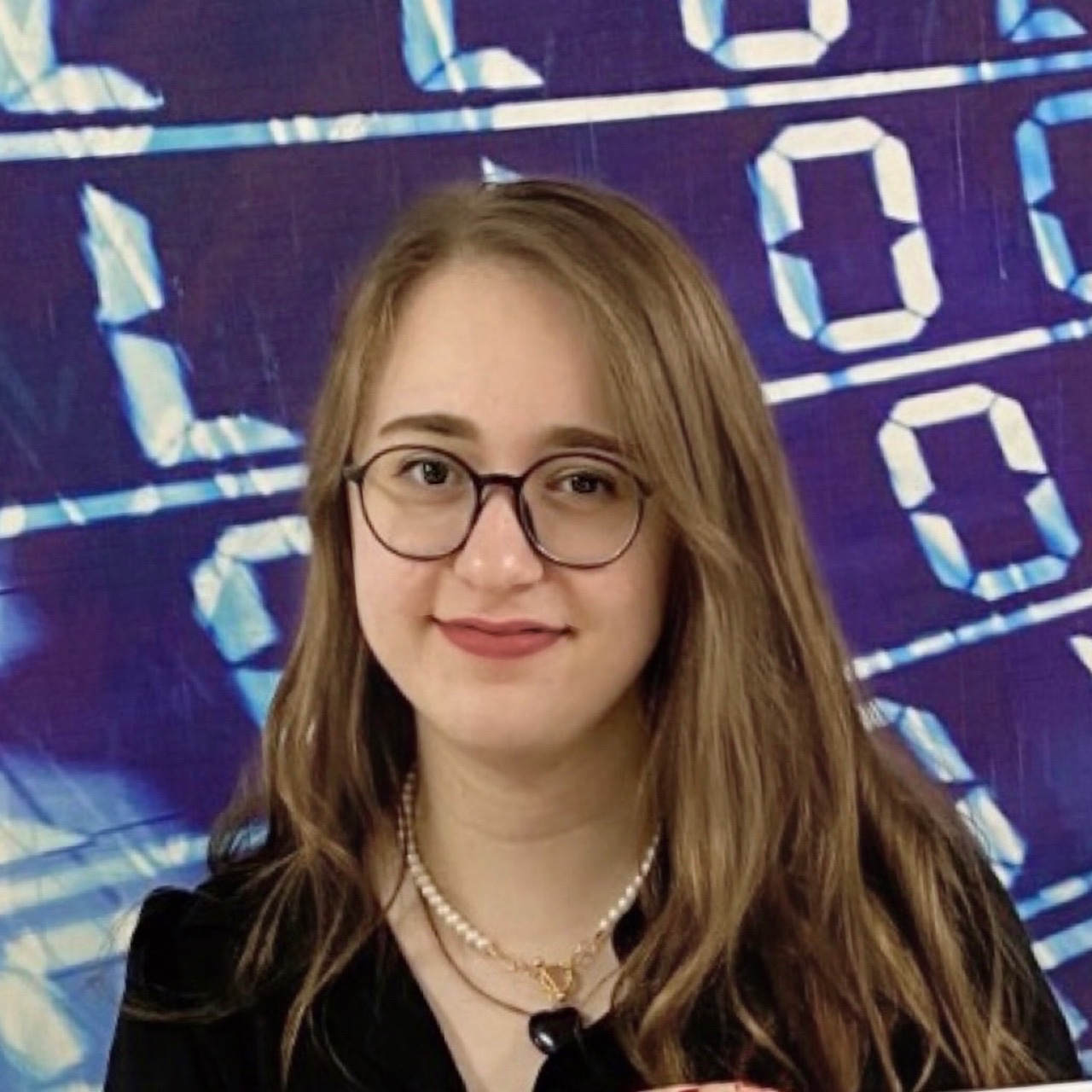
Özge Çinko
Hello world, I’m Özge Çinko! 👋 I’m an AI Engineer at ING, working on internal AI solutions and agent platforms. Before that, I worked as an AI Research Engineer at Huawei, focusing on recommendation systems for AppGallery. My journey into computer engineering started with a simple childhood dream: building my own corner of the web. Over time, that curiosity grew into a career in AI, from recommendation systems to LLMs. For me, engineering is a creative craft: turning ideas into systems, data into stories, and technical concepts into experiences people can enjoy. I enjoy sharing what I learn through talks, blog posts, and projects. I’m especially interested in the intersection of AI, human behavior, language, and creativity. I write, build, explore, and sometimes get beautifully lost in too many ideas, but always with Python by my side.