What Your Python Code Sounds Like: Debugging Through Sound
Thursday, May 28
14:40 - 15:10
Transform Python execution flows into sound. Loops, function calls, and anomalies become immediately perceptible, allowing the audience to hear errors and bottlenecks. An original, industry-ready demonstration of auditory debugging.
Traditional debugging often relies heavily on visual attention: verbose logs, profilers, dashboards, and charts. However, the human brain is particularly efficient at detecting auditory patterns such as rhythm, repetition, and interruption. This talk explores how Python execution events can be transformed into sound, making functions, loops, errors, and performance bottlenecks immediately distinguishable. Using decorators, execution timing, and lightweight audio libraries, an otherwise opaque Python pipeline becomes perceptible through hearing alone. Live demonstrations show how sonification reveals hidden behaviors and anomalies without requiring line-by-line code inspection. The approach is designed to be practical and industry-ready: it relies exclusively on standard Python tools, requires no machine learning, and avoids complex infrastructure. The talk presents clear principles and reusable patterns for improving code observability by complementing visual debugging techniques with auditory perception.
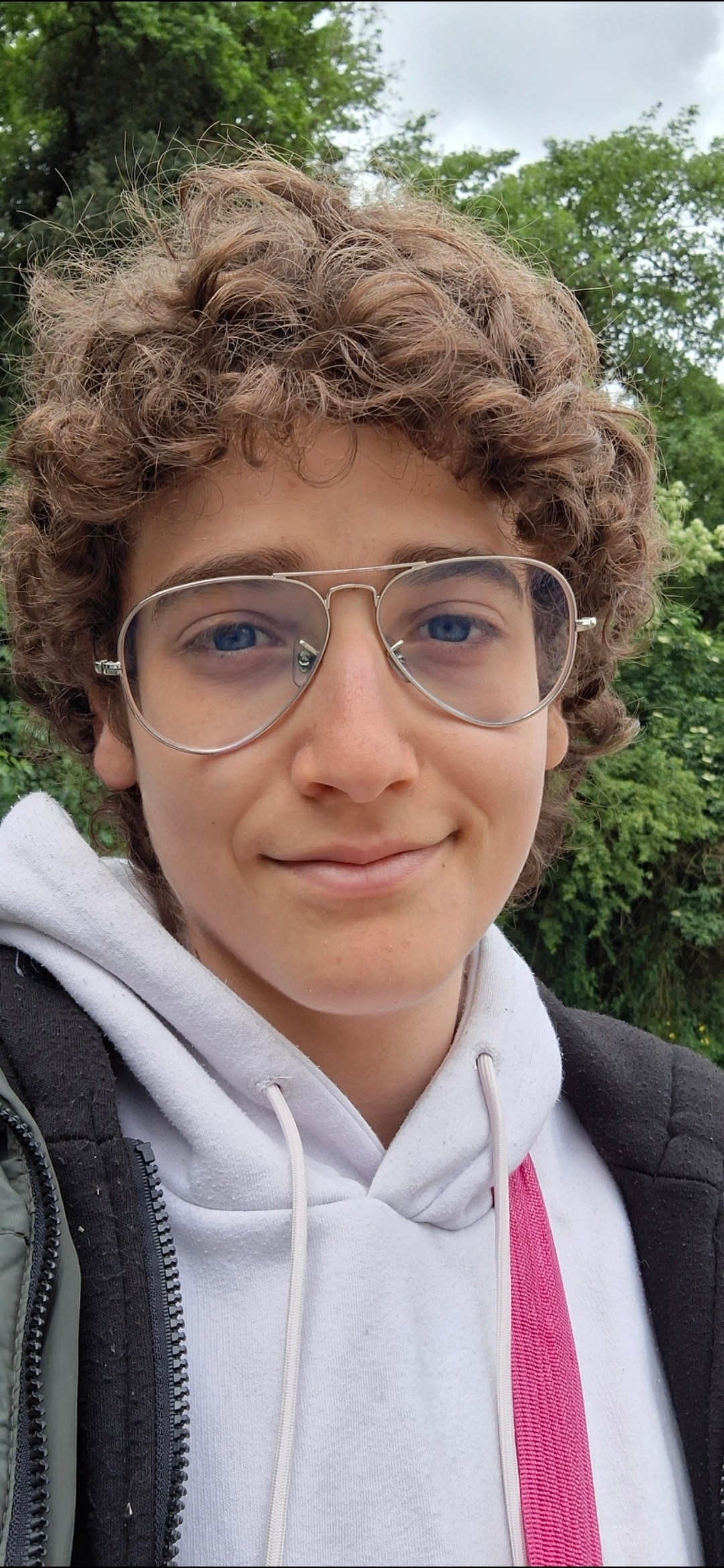
Andrea Mirarchi
I’m Andrea Mirarchi, a Computer Science student at the University of Calabria. I hold a diploma in Accounting with a technical-commercial focus. I’ve developed websites and software as part of university exams and personal projects, and I have experience programming both frontend and backend in Java and Kotlin. I’m also skilled in 2D and 3D CAD, with a focus on faithful reproduction of works, and I occasionally give tutoring in computer science. I have an English level of C1. I’m passionate about programming, graphics, and speaking, and I enjoy turning ideas into projects while sharing what I know with others.